Recently, I’ve noticed a few problems some friends and I have been facing: we hear about new shows we want to watch but we don’t know what streaming platform has it, or even worse, we don’t know what to watch at all.
Most major streaming platforms like Netflix and Hulu have sections where they suggest shows to their users based on what they’ve watched in the past, but I often find that, personally, these suggestions aren’t usually too interesting to me.
This led me to design a prototype for an app that I believe could solve this problem.
This is Watch List and an example of the home page.
Here’s a screenshot of the home page I designed on Proto.io
This home page offers three options for users: Browse top-rated shows from other users (this section can be navigated based on genre for user preference); Leave a review of shows you have completed for other users (this section will have a report feature available in case users try to spoil shows); and a Personal Watch List (here users can add shows to their own list that they can easily come back to later).
This app wouldn’t make sense if it weren’t for one key feature: users have the option to link their account to other streaming platforms. This way, once users find a show they want to watch that is available on the streaming services they are subscibed to, it can take them directly to that platform’s service so they can watch the shows they want.
I personally think this would be a great service, especially users that enjoy anime or foreign dramas. As you can see in the screenshot of the “Watch List” portion of the app below, there are many different platforms that may not be as major of a streaming service as Netflix and Hulu so I feel it is important to ensure that external options are included as well. Sites like Crunchyroll and Funimation can be essential for anime watchers who can’t find their shows on Netflix and Viki can be a great source for Asian dramas (K-dramas, C-dramas, T-dramas, etc.)
A screenshot of the Watch List page I designed on Proto.io
The rating/review feature has more purposed than just helping users decide if they want to watch the show or not. This can also be beneficial for providing Trigger Warnings for users who may not want to watch a show that has sensitive content. By allowing users to tag shows with their specific trigger warnings, we allow all users to filter out shows that may contain those specific triggers.
Overall, I believe this app could be beneficial for many reasons and could also promote streaming services to offer a more diverse collection of shows for users to enjoy.
Sidenote: I know this post is different from my usual content, but as this is a review blog, I felt as though creating a space for others like myself to write these reviews in order to help others could be beneficial.
That’s all I have for now as this app is just a simple concept but I still hope you enjoyed and thought this post was interesting nonetheless.
Would you enjoy having an app like this? Let me know in the comments below!
I don’t know how, but I managed to make it all this way and I never once wrote about a Spider-man movie or even a Marvel movie. This is surprising due to my love for both Marvel movies and Spider-man movies. Not to be biased, but I would definitely say Spider-man is my favorite hero.
This Spider-man movie though, is different from the others as it is not only animated, but it also features multiple “Spider-man” characters across multiple dimensions. Each are different in their own way since they all stem from different universes, all in different animation styles. While in theory it doesn’t sound too complicated to draw different characters in different styles, putting it into practice is a whole different story.
This project, which had 177 animators working on it, took an insane amount of time to complete due to the level of detail and tricky animation it required. In my opinion, all of their hard work paid off because this movie was amazing. The plot, characters, and animation were all amazing in their own unique way and I honestly think this is one of my favorite animated movies.
There were a lot of challenges awaiting the animators in the creation of this film though. Each of the characters had different animation styles so each had their own challenges, especially when multiple characters were interacting with one another.
One of the most interesting techniques the animators used, in my opinion, was their choice to animate Miles Morales on twos for most of his scenes, whereas Peter B. Parker (the closest to what most think of as the original Spider-man) was animated on ones.
*Animating on ones is when every individual frame has a unique drawing from the frame before it. This typically results in a smoother, more realistic animation.
*Animating on twos is when animators allow a drawing to last for two frames in a row before changing the drawing on the third frame. This typically results in a jerkier image.
Most scenes of Miles, especially in the beginning of the film, have him animated on twos. It gives the film a very distinct image and a unique feeling that is reminscent of comic books.
A common theme throughout this movie was animation that is reminscent of comic book styles. In some frames, the animation switches from a realistic image to one that appears to have come straight from a comic book. Although this frames last for a very short amount of time, it lasts long enough for viewers to notice it and notice a slight shift in these scenes.
There’s also a difference between ones and twos when it comes to some characters. In a scene where Miles is still striggling to figure out his spiderwebs and swinging around with them whereas another Spider-man character is skilled at doing so, Miles is animated on twos and slowly trabsitions to being animated on ones as he slowlty figures out how to swing properly. All the while Miles was learning, the other Spider-man character was being animated on ones. It’s slight differences like these that really make this movie stand out for me because that is a level of attention to detail that I admire.
Lastly, most animated films nowadays use motion blur to make their films seem more realistic and less choppy in movements. However, as the creators of this movie were aiming for something between comic book and realistic animation, they chose to use a different technique called animation smears.
Here’s a quick video that explains how animation smears work, how they’re used, and some examples of smears you may not have noticed.
Video on Animation Smears by Crowne Prince on YouTube
For example, there are some frames in Into The Spider-Verse where you can see animation smears where there are odd splotches of color that are used to represent Miles moving his arms between frames. This animation technique gives the movie a sense of nostaglia for me as it reminds me of animated cartoons I used to watch growing up.
Overall, I’d say this movie does a fantastic job at creating a visually unique film and employing multiple different techniques to acheive something beautiful. I’m sure the animators could have created a very cool movie with more modern/common animation techniques in much less time; however, it is the dedication and approach these animators took to make this movie unique that makes it even more breathtaking.
Thank you for reading my blog post! Do you read/collect comics? Leave a comment down below!
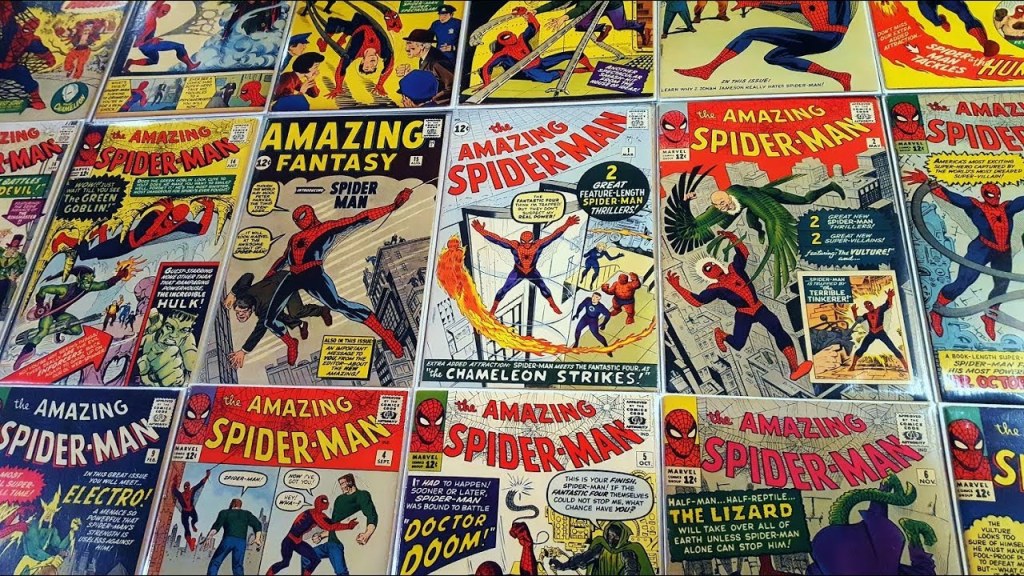
A thumbnail for a “Amazing Spider-Man Comic Book Collection” video by LeeKirbyDitkoComics on YouTube.
Until next time, you can see me peering through the viewfinder.
Getting into filmmaking is, in my opinion, utterly exhausting. I’m not going to film school, I don’t own a nice camera, I’m using Premier Pro for free from my university right now but I have no idea how to work it, and it feels like there is more and more information every day that I cannot seem to learn fast enough.
This illustration by KC Green pretty much sums up my life.
Its easy to get discouraged when you’re just starting to get into filmmaking, but it’s important to start with the basics. If you’re interested in primarily cinematography or editing, that’s great, but you have to take into account the story you are telling. What’s the point of making a video or film if your audience won’t gain anything from it.
In “Are Travel Videos Ruining Filmmaking?”, a short video by Aidin Robbins, he discusses the importance of making mundane things seem beautiful and how you don’t have to travel to make a good video. This is very much true and I think Aidin Robbins is a fantastic creator for new filmmakers and for those interested in learning more about the art; however, that is not the topic I will be exploring today.
Today, I’m exploring how important it is to plan out your videos and your shots. Movies, TV shows, Short films and even some YouTube creators write scripts for them to follow in their films. These scripts act as a blueprint for the video or film as they detail what shots will be needed, what dialogue is needed, and a basic overview of what is being told.
When I first started getting into filmmaking, I forgot this concept often. I was so caught up in filming pretty things that I forgot about the story I was telling.
In the original video below, I talk a little bit more about that and I give an example of what that would look like so give that a view if you would like.
An original video by me, Kennedy Hearn.
Now, in Aidin’s video (embedded below), he has some amazing shots that add to the complexity and beauty of the video and add to the overall message.
A short video by Aidin Robbins
One of the first clips that caught my attention was the alarm clock. As small of a detail as it was, I found it to be very visually interesting and just cool to watch it change from 1:29 to then 8:29 and 8:30 when the alarm went off, triggering both a transition to his next shot as well as a flight or fight response in me as I haven’t had to wake up to an alarm in over a month.
The next scene has a drone shot that smoothly transitions into a massive zoom out that becomes the entire state of South Carolina and then Google Maps as shown from Robbins’s map on his phone. This shot itself is one of the primary shots I wanted to focus on in this post. Robbins got so many comments asking how he got that shot and he actually posted a tutorial (which I will embed below) on how he did it.
A breakdown video by Aidin Robbins
This shot, which took an insane amount of effort to create, was also planned by Robbins before shooting it. This was not a shot he could have created with just his drone so it wasn’t a simple shoot and go type of scene. He knew the amount of effort it would require to create such a shot and planned accordingly by recording the shots he needed in order to line up a transition that would enable him to create the edit.
The point I’m trying to stress: You can’t just pick up a camera and record something without planning. I mean, you can, but it won’t be as interesting or captivating like it would be with a well planned story.
Filmmaking shouldn’t be stressful, but its not particularly very simple either. It requires a level of forethought to what type of shots you’ll be getting, what settings you should be using on your camera for specific shots, how you plan to edit it all together, what type of story you’re telling, and music/sound design to go along with it that adds to the video instead of distracting viewers.
There’s quite a bit that goes into filmmaking but I don’t want this post to be overwhelming or stressful. It’s important to take all of these aspects into account, but it’s equally as important to enjoy what you’re doing. The more passion you have for what you’re doing, the more you will be willing to put the work in to make it as great as you want it to be.
That’s all I have for this week. I hope you all are doing well and staying safe during quarantine. Remember to only go out for necessities. Together we can all do our part to keep it from spreading further and keep ourselves and others safe.
Until next time, you can find me peering through the viewfinder, secretly longing to go out again.
We are living in some crazy and fairly stressful times. The past two weeks have been both insanely hectic and extremely boring for me as I struggled to regain a sense of normalcy with my university switching to online courses and sending all of the freshmen living on campus back home. Now that I’ve finally settled back in, I’ve been able to motivate myself to write this post. With that being said, I apologize for the long wait for this post and the next one will be out some time this week.
My workspace has looked a little like this for the past week but using my planner again has helped me get a sense of normalcy back. Photo by me, Kennedy Hearn.
As hectic as my life has been, it’s nice to get back into my work flow. Thankfully, I’ve had the idea for this blog post for quite some time and I finally get to write it. I absolutely adored this movie and I feel as though the animation techniques utilized by all 27 head animators and their 10 assistants are a great model to showcase how tedious stop motion animation truly is.
If you haven’t yet seen Isle of Dogs, I recommend you do so before reading this post as there will likely be some spoilers, but I will not be focusing on the story as much as I will on the actual animation of the film and the long, detailed process the crew went through to bring the film and its characters to life.
Wes Anderson, the director of this film, is well known for his very unique style of framing for shots, dialogue, and character building. Isle of Dogs is not his first rodeo when it comes to stop motion animation as he has also directed The Fantastic Mr. Fox, another great film.
Anderson’s style is still very prominent in this film with the symmetry of his shots, his color palettes, and his use of tracking, despite using a difficult medium to portray his story. Anderson and his team of animators must have a keen eye for detail as each shot must be just right to ensure that the shot after it is continuous with the film.
For the animators, they were not only tasked with creating the puppets for each character, but also for creating each scene and making sure that every detail such as lighting, movement, and framing were accurate for what the scene calls for, maintaining Anderson’s style of storytelling along the way.
This, to me, is extremely fascinating. Stop motion animation is already difficult enough, but to maintain the small details that make up Anderson’s style in such a difficult medium takes a lot of attention to detail and careful planning to ensure that shots are framed in a specific way, that the palette fits his style, and many other details. While most of his style is noticable in the dialogue and narrative surrounding his characters and screenwriting, I still appreciate the animators’ ability to envision the scene in the way Anderson imagined it and their ability to bring this world to life.
The creation of scenes and characters themselves is a long, difficult process. Ultimately, each character needed multiple faces that either made different expressions, had bruises, or with cut outs for different mouth inserts for when the characters are speaking. Each of these individual pieces were handcrafted, as opposed to 3D printed as some other productions have chosen to do. There’s nothing wrong with choosing to 3D print the individual pieces as it saves the animators time. In this case, animators became extremely in touch with the characters they were creating as they had to meticulously recreate their character multiple times, and likely had to analyze the shots they created just as meticulously, if not more.
Speaking of the scenes they created, there is an incredible amount of detail in some of them, which is mind-blowing to me. There are some scenes of the “trash island” in the film that contains vast piles and mountains of trash. The amount of texture in these scenes amazes me becuase I cannot fathom how long it must have taken to create such a background. The same applies to fight scenes we see throughout the movie and their clouds of smoke that seem to dissipate just as smoke would normally, or the large explosion that occurs within the movie and the debris and fallout that behaves as it normally would in a real explosion.
Below is a short video that showcases some of the elements I mentioned above, as I think the artists deserve every bit of acclaim for the work they did, as I cannot begin to grasp how they did their job and made it look so effortless and technically perfect.
If you like this video, there are multiple on YouTube from Searchlight Pictures that showcase the making of process for this film.
Animation, overall, is a long, tedious process that should not be taken lightly as these animators worked diligently and tirelessly to ensure that their work was perfect.
Each of the dogs were created by making a silicone mold and placing the armature inside which allows animators to move the puppets in a way that their movements will be firm and solid. Then they hand punched millions of hairs into the dogs and manipluated them in scenes to keep it as realistic as possible. In windy scenes, you can actually see the dogs’ fur move with the wind.
Overall this movie took two years to complete, from the beginning pitch to creating and animating the characters, to recording the voiceovers from the actors, to editing the film and scenes together, and ultimately releasing it.
I personally believe this film is a great example of expert animation, and the clip I’m embedding below shows the most difficult scene the animators had to animate, which took six months to do so.
This short, 1 minute and 32 second scene took 6 months to make.
I hope for all new filmmakers or just for the average film watcher, that this post was able to give you a better sense of appreciation for the hardwork and diligence that this production crew put in to this film to make it as beautiful as it is.
In the mean time, I’ll be attempting to apply a similar level of hardwork and diligence to my countless assignments and group projects.
Until next time, you can find me peering through the viewfinder.
This post, I’m going back to a normal medium of film but I’m spicing it up a little bit. I realized I have yet to cover animated media on this page, so today I decided why not look at anime, a style of Japanese animation. In the future, I’ll look at other forms of animation to show the diversity of style, but for now, I’ll be focusing on techniques used in a specific anime called My Hero Academia.
I must also add that I will be 100% spoiling this show. I’m reviewing Episode 23 from Season 2, so there’s quite a bit of spoiling to be done in this blog post. You’ve been warned.
For those brave souls who are reading regardless, My Hero Academia follows the story of Izuku Midoriya, a young boy born in a world where almost everyone has some type of power (called ‘quirks’). Midoriya, however was not born with a quirk but was given power (a basic strength power) from the Number One hero. The show follows Midoriya as he is accepted into a hero training school as well as the 19 other members of class 1A.
Now, for this specific episode, two main characters Izuku Midoriya and his classmate Shoto Todoroki (who has a half fire, half ice quirk) are facing off and competing against one another for a school competition where the students can show off their powers to the public, in hopes of gaining recognition and in the best case, an internship with a hero agency.
This episode in particular struck me as interesting as the animators were tasked with depicting both fire and ice, as well as almost electricity-like quirk of Midoriya.
Below I’ll link a video to the fight scene between the two which contains dialogue about Todoroki’s fire quirk which he had supressed. There’s honestly a lot to unpack there but that’s not the point of this post so I’d recommend just ignoring that for now.
This video comes from Crunchyroll, an anime streaming service.
For Todoroki, his power is split in half with his right side controlling his ice quirk, and the left controlling his flames.
Flames can be a hard thing to animate because of how ephemeral they are, easily changing direction, intensity, and shape. Some artists like to depict flames in a more solid state, but in the case of My Hero Academia, the creators chose to go with an almost water like flow. His flames billow and dissipate like smoke, while maintaining the orange glow that flames give off. As well as this, the creators also represent the power and intensity of Todoroki’s flames through the gust of wind it expels as he draws the flames from his body. When it comes to animation, artists have much more freedom with the stories and images they can portray, so details such as these are up to interpretation. Each choice the director/artist makes is telling of their particular style. We can see Kohei Horikoshi’s (the creator of My Hero Academia) style represented in not just his depiction of flames but also the ice, Midoriya’s quirk, and the linework of each character (which we will get to later).
On the other side, we see his ice powers represented. For ice, it is a bit more predictable than fire. Ice cracks and spread in a fairly geographical way, however, Horikoshi seems to take a different approach for representing ice through Todoroki. Todoroki is shown creating crystals of ice that grow rapidly or slowly depending on his attack, and ultimately creates large blocks of ice that he directs at Midoriya. Instead of depicting the ice as massive shards, Horikoshi chose to utilize two shapes, crystals and blocks only, interchanging the use of them to portray a variety in the shapes Todoroki can produce. However, we also see the ground ice over as Todoroki spreads it from his foot. While it may seem natural to have crystal or snowflake type patterns emerge on the ground due to how often that depiction is used in animation, Horikoshi opted for a more frozen lake type of appearance as the ground seemed to gain a layer of ice, somewhat resembling marble due to its random mix of textures and colors.
By depicting both of these powers in this way, Horikoshi presents his style for animating and adds to the overall uniqueness of each of the characters he has carefully crafted for the show.
For Midoriya’s quirk, it isn’t something that would generally be seen by others. A basic strength quirk is often represented by the damage a character can do rather than showing the power itself manifesting within said character. However, this is another aspect of Horikoshi’s choices that make his characters unique. By giving Midoriya’s quirk a visual representation, viewers can understand that he has a truly powerful quirk that he must control in order to maintain its flow within his entire body. This decision adds to Midoriya’s character as he must work hard in order to control and utilize his gained power.
Lastly, Horikoshi’s style is heavily represented through his line work. When the characters are calm, the linework of the scene is generally light and minimal, however when characters are fighting or are tense, the linework becomes heavily, with multiple added lines to give a more detailed visual. This is a subtle style choice but it adds to the action of the show by creating a clear separation between tense and calm moments for the characters.
Overall, animation is not an easy art form. Whether it is digital or traditional animation, both have obstacles that animators must face and overcome. For My Hero Academia, it follows a manga (a comic book) and it must be redrawn, animated, and colored for production as well as being voiced over instead of relying on text boxes.
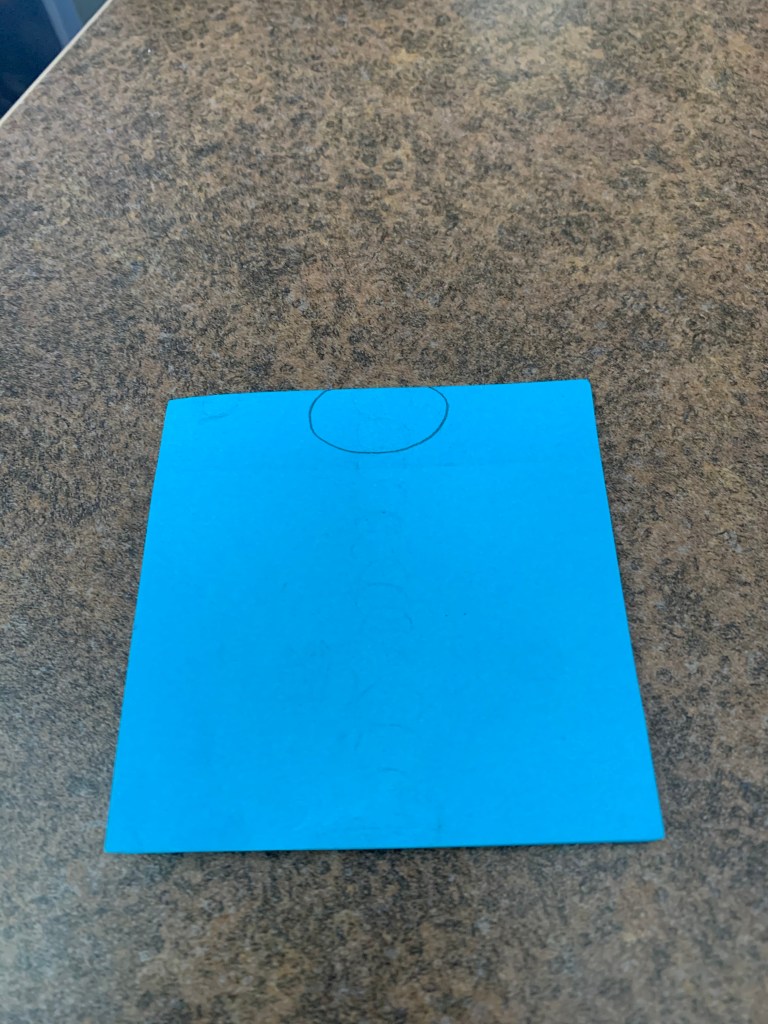
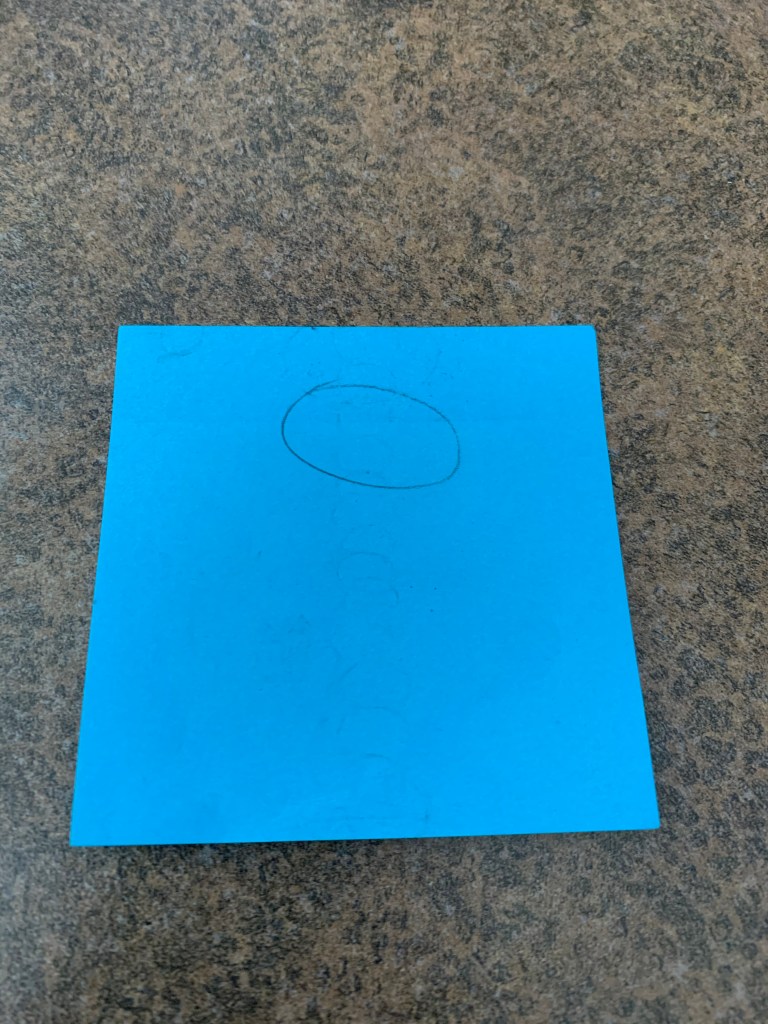
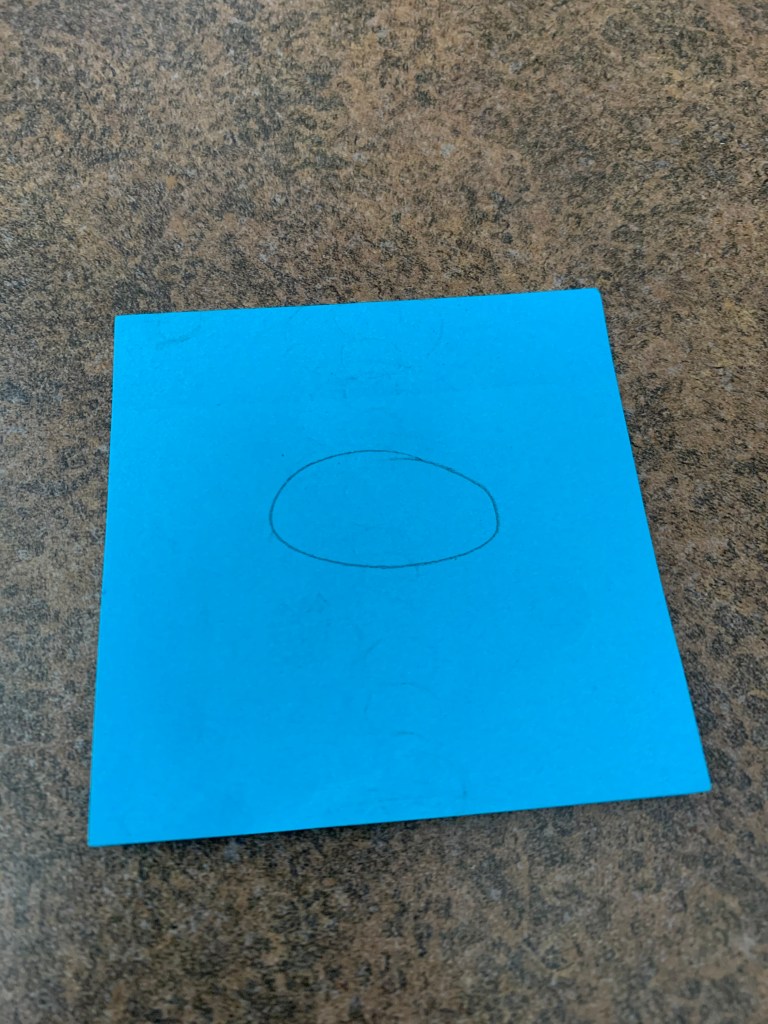
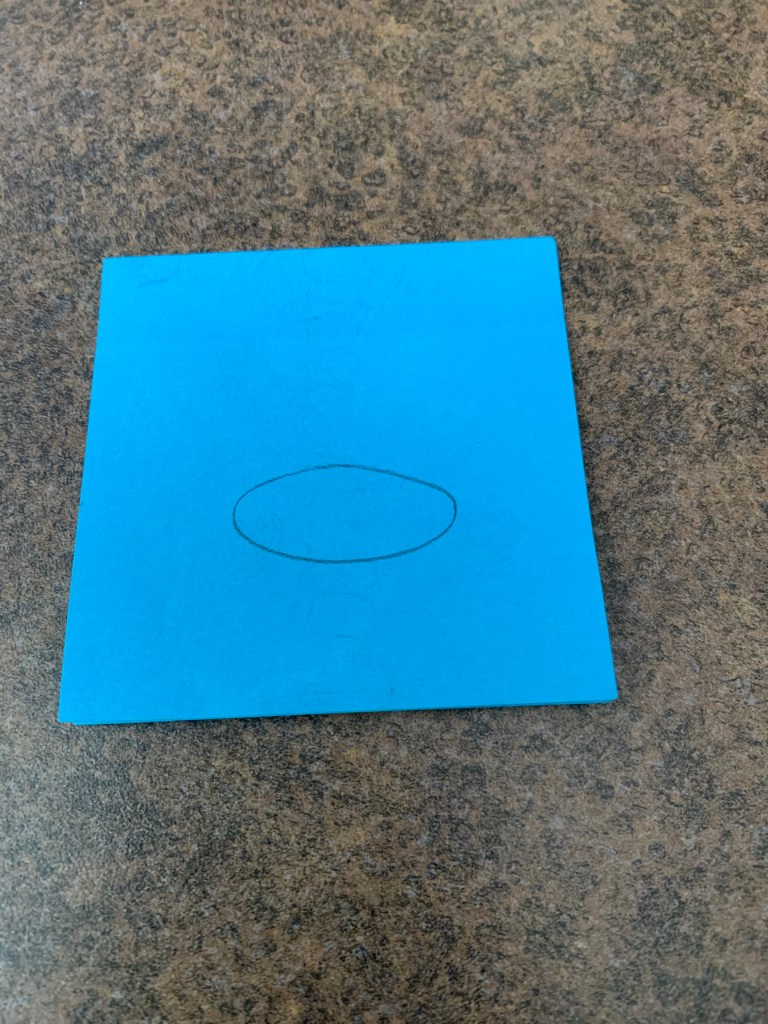
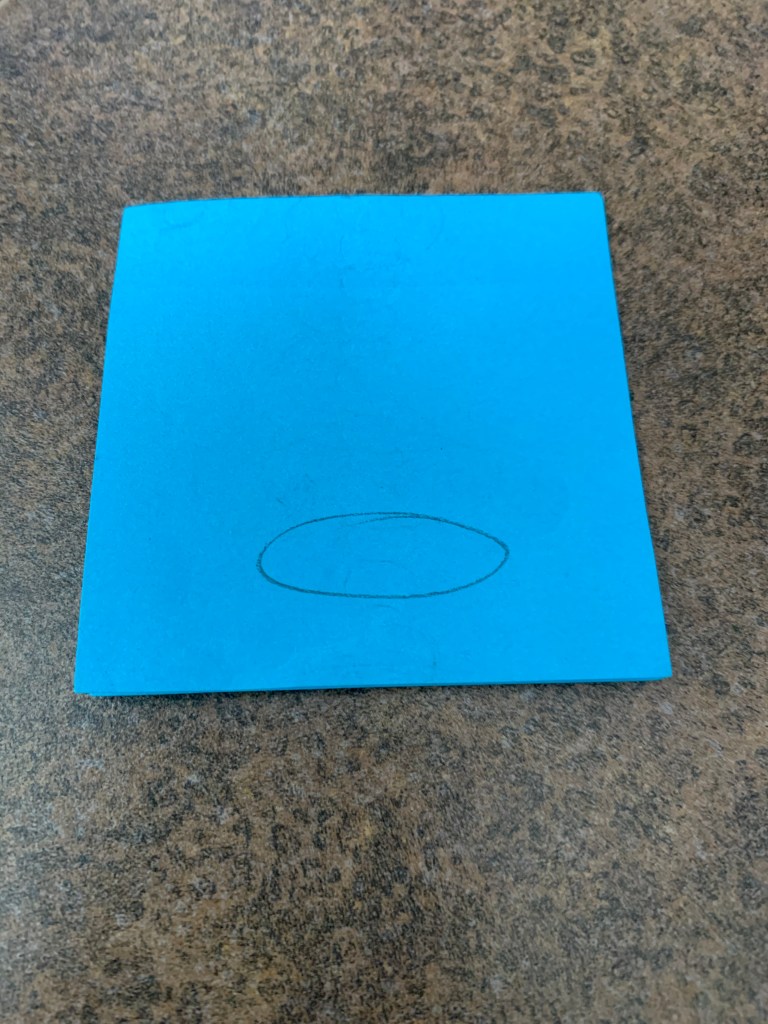
For example, I’m sure we have all either seen of recreated the bouncy ball flip book animation. Below is a slideshow of my own recreation of such (I’m not much of an artist so this will have to do).
Now obviously, this is the most basic portrayal of how traditional animation works. Artists have to sketch out every individual frame in order to create an animated scene, including much more detail than the very badly drawn ball I drew on some sticky notes.
Animation as a whole is much more complex than it may seem at first glance. Sony Pictures has a pretty good behind the scenes piece detailing the amount of hard work and detail artists put into their work so I’ll link it below if you’d like to learn more.
Did you like this post? Leave a like! Have an experience with animation of your own or thoughts on Horikoshi’s animating style? Comment down below!
Until next time, you can find me peering through the viewfinder and looking ahead to my next post where I’ll talk more about animation with Isle of Dogs by Wes Anderson.
Sometimes, I don’t feel inspired to create anything. Today is one of those days. I had so many ideas of things to review but as I started writing this post on each of those ideas, I quickly became bored with them and lost any will to continue. That is why I am doing something a little out of the ordinary. I myself would not usually consider a music video of all things to be worth reviewing on this page, however the more I looked into the details and narrative of the video, the more intrigued I became.
I may as well go ahead and mention that I am a fan of BTS and their music, but it is the narratives and beauty of their music videos from 2015 to present day that inspired me to work in film production. I want to create something beautiful. The music video for their new song ON is, in my opinion, one of the most beautiful music videos I have ever watched. I was shocked to find that Ingenuity Studios was the company in charge of the visual effects of the video due to their affiliation with Universal, Marvel, Sony and many other big names in the film industry as well as working with Camila Cabello, Taylor Swift, Billie Eilish, and many more large names in the music industry.
Because of the cinematic aspects of this music video as well as the narrative which has a large influence of literature, I decided it would be fine to review this. To me, music videos, short films, animation, television shows, etc. have the capability of being just as cinematically pleasing and educational for aspiring filmmakers as movies are. If we are to limit the educational value to movies alone, we limit ourselves from so much in the world.
Now that I have rambled, I should probably explain a little bit about the video. First, it’s a music video for BTS, a group from Korea. (Yes, it’s K-POP.) Therefore, the music video is in Korean. There’s English subtitles available but as beautiful as the song is and as much as I love it, the visuals of the video are what I am focusing on in this review. I may mention some names of the members that are shown in the video (there’s seven members) but I’ll provide descriptions of what scene they’re in and why they’re important to the video in great detail so there shouldn’t be too much confusion. Next, there are ties from this music video to past videos dating back to 2015 as their music videos and albums respectively have been following a storyline for each of the members including that one, Jin, is a time traveler. I don’t think I’ll be getting into that too much or at all, but if I do, understand it is all a part of the larger story.
Starting from the beginning of the video, we see a battlefield where many corpses lie. We see Jin (member of BTS) kneeling down to a dead dove, that was seemingly caught in the carnage of the implied war. We then cut to Jungkook (another member) running away from a large structure, hands bound by thorns. Then, the music truly starts and we see multiple separate clips of each of the members such as Jimin, who is in a shaded area surrounded by drums and accompanied by a young drummer boy, Taehyung who is lying down next to a small girl with a blindfold, and again Jin who is seen clutching a bird cage with the dead bird inside. Then, we see Namjoon (the leader of the band) standing in front of a wrecked ship and surrounded by a multitude of animals. As he raps, we see glimpses of Jungkook who had been seen running in a forest, far from the walls he had been running from. As Namjoon raps the lyrics “Is it the shadow that’s shaking Or is it my feet that are trembling… Of course it’s not all okay”, we see hazy glimpses of Jungkook in the forest and we can infer that he is struggling which visually symbolizes the lyrics being said. Then as the pre-chorus builds, we see multiple shots back and forth between Jin and the birdcage and Jimin with the young drummer boy, until ultimately at the end of the pre-chorus, the bird cage begins to rattle as though the bird inside is moving around, alive. Immediately after, the chorus starts and we see Jungkook running again, as though he has been given a new burst of energy as well as Namjoon seemingly praying, Jimin dancing and appearing to be energized by the sun whereas the next scene includes Jungkook looking up to the sun and then collapsing. We then see an odd scene in which Hoseok (another member) is rapping his portion of the song, standing near Jungkook’s collapsed body which appears to be dead. This scene is particularly odd as Hoseok is dancing and rapping as though he is blind to Jungkook’s suffering/collapsed body, despite being in plain sight. The next scene contains more of Hoseok’s verse, however now Jungkook is nowhere to be seen. Then we transition to the last member to be shown, Yoongi, who is rapping his portion of the song in what appears to be some sort of temple with around 30 children around him. Then as the pre-chorus starts again, we go back and forth between Taehyung and the young girl and Jimin with the young boy. In Taehyung’s scenes, however, we see him approach the young girl as she is looking ahead (despite being blindfolded) and as Taehyung turns to see what she is looking towards, we see the same structure that Jungkook was running from in the first place. As the pre-chorus builds more, we hear a prevalent drum and we see the young drummer boy with Jimin playing and as he hits one hard note and stops, the walls of the structure in front of Taehyung opens and Jungkook simultaneously opens his eyes. Then as the chorus plays out, we watch as Taehyung removes the blindfold from the girl and they hold hands and look ahead at what lies beyond the wall. As the bridge begins, we see Jungkook, still shackled with the thorns, walking towards a lake. Then as the beat comes back in, we see the remaining five members (Jin, Namjoon, Yoongi, Hoseok, and Jimin) walking towards the wall to meet up with Taehyung, along with a large group of people following them. Then, as Jungkook dips his shackled wrists into the water, Jin releases the now healed dove from the beginning and the music stops. As the bird flutters off, the scene changes back to Jungkook who is now freed from his shackles and instead is holding a shell that he blows into, releasing an almost victory-like sound. This however brings about dark clouds and fire atop a hill where we are transported to a dark scene in which the dance break for the video takes place. In between the dance break we see clips of all of the members dressed in dark robes (which have been used in past videos for the group) and Jungkook walks forward holding the shell on what appears to be some sort of staff. As the dance break scene ends, we are brought back to the large group in front of the wall, with Jungkook now joining the group. At the same time, we see the desert-like landscape around them flourish with life. As Namjoon raises his fist, the seven members ascend a large rock as seven white doves fly above them. Then the song ends and we see Jungkook run past the rest of the members towards the edge of the rock and the video ends with the words ‘No More Dream’ transitioning into the word ‘Dream’. (Sidenote: No More Dream was the debut song for the band back in 2013 when they released their first album “2 Cool 4 School”.)
Now for the actual review. I’m going to discuss two main ideas/theories that I enjoy the most as this video is meant to be a progression of a storyline, but the visual aspects included and used in this music video are what create those theories.
Again, I know a music video is not a movie. However, film, again, should be fun and educational for aspiring filmmakers. This music video is inspiring for me because I can only hope to be able to create something as visually pleasing that delivers a deeply constructed narrative at the same time. For my aspiring filmmakers out there, find inspiration wherever it strikes you. Nothing is off limits and inspiration is still inspiration.
For this video, I really like the theory of Omelas. For those who may not know, BTS often includes references to literature in their music videos and although this one may not be as obvious, I believe they hint to the short story “Those Who Walk Away From Omelas” in this music video as well as a past music video for a song called Spring Day.
In essence, the city of Omelas housed many people who all learned of the young child who had been locked up for the good of the town. While most learned about the child and became enraged, they accepted the child’s fate as they relied on the child’s suffering for their own happiness. However, there were some who left Omelas, never to return to the city. For the context of the music video, I fancy the theory that BTS and the group of people following them are the people who left Omelas, while Jungkook is the child who had been held prisoner there. In a recent behind the scenes video for the making of the music video, Jungkook himself said the character he was playing had been locked up within the wall and that he had some special power.
Going along with that theory, we see the responsibility of storytelling that comes with filmmaking. In past blog posts, I’ve covered the importance of sound effects and music, editing tricks, or symbolism, but for this post, I’m focusing on the ability to tell a story. For this, the overall story as I’ve understood it is that Jungkook is the child from Omelas and the thorn shackles are what key viewers in to that. He is running, shackled and still tied to his past pain and suffering, but still free nonetheless. I see the rest of the BTS members as different citizens of the city of Omelas who saw the truth of their happiness and chose to leave. If we include the past running theory that Jin is a time traveler, this will make more sense. Keeping that in mind, the birdcages that Jin has collected in the room we see him in throughout the video symbolize multiple attempts at freeing Jungkook, or the child from Omelas. Some speculate that the multitude of corpses at the beginning are the crowd of people we see at the end of the video following the rest of the BTS members, insinuating that at some point during the video, Jin travels back and changes something to bring them back to life, perhaps freeing Jungkook in the process. This is supported by the dove and its reincarnation.
The story of Omelas leads readers to believe there must be something different about the child in order for the city to flourish from the child’s suffering. This idea matches with Jungkook’s description of his character being locked up within the walls and harnessing some power. Overall, the music video holds many similarities between the child in the story and Jungkook’s character.
However, there is another way to interpret this music video which I love just as much. For background, BTS have faced many hardships in the music industry since their debut and they were not treated fairly or with respect until they began to gain recognition in the west around 2016. Throughout the video, we see multiple symbols of hope represented.
For example, both Jimin and Taehyung have roles with children. Children often represent hope due to the abundance of innocence as well as the ability to shape the future into something greater. Specifically with Taehyung’s case, we can make the connection that he is shielding the young girl from all of the hardships that she may have witnessed without the blindfold in order to maintain her innocent spirit.
On the other hand, Namjoon represents the biblical story of Noah’s Ark in which no one believed Noah about the flood and suffered while a dove was sent and returned with an olive branch to symbolize that they had made it. This is heavily symbolic of hope and this also ties to the dove that we see Jin caring for so deeply and ultimately freeing it at the end.
The water we see Jungkook enter can be seen as yet another biblical reference as baptisms symbolize a renewal or rebirth of one’s self and it can give one hope for their renewed future. Water itself can also represent freedom which we see Jungkook heavily tied to as he is freed from the prison he had been trapped in/the shackles he bore.
Overall, the music video, corresponding with this theory, represents something greater for BTS and their fanbase (referred to as ARMY). In the past, BTS music has always been a source of hope for the fanbase. As recently as 2017, the group has expressed concerns over their growing fame as they did not expect it and frankly, were afraid of it. However, this music video seems to symbolize for ARMY that BTS are not ready to quit just yet and that they want to continue to hope, want to continue to reach new highs and break new records. They want to continue to dream, and so should we.
Overall, I think this music video is beautiful with its symbolic references (there’s so many more jam packed into this video that I didn’t even being to cover) and the inspiring message they intend to share with the world.
I know this post wasn’t a typical post for me, but I want to stress that film is not limited. Inspiration can come from anywhere, and the ability to tell an intricate story without explicitly telling the narrative like a movie or a show often does is highly impressive. Sometimes the stories we tell don’t need to be told word for word. Sometimes the journey to tearing apart a piece and finding the story yourself is worth so much more.
We all could benefit from a little hope.
We all have a story to tell, and with everyone having their own story, their will never be a shortage of discovery. What will you discover?
That’s all for this post. I’ll have another post up by the end of this week that should be a bit more on the normal side of my posts, so stay tuned!
Until then, you can find me peering through the viewfinder.
First, I must say that I absolutely loved this movie. If I could, I would talk about it forever. I think Bong Joon Ho is a genius and the characters and story he created is so intriguing. So, it is necessary for me to admit my bias towards this movie. However, the 4 Academy Awards Parasite received tells me that I’m not along in my opinions of this film.
If you have not seen Parasite, I highly recommend doing so, but for now I’ll link both a trailer for the film and a synopsis below so you can be caught up for the purpose of this blog post. Otherwise, spoiler alert.
I think it’s important to say something right now.
Film is fun to watch, create, tear apart and analyze, but it is not the end of the world. Nor is it something that should be stressful. I know from experience that I personally got stressed when I first started learning about film and everything that goes into it. It all seemed like so much and everyone else I saw who was getting started as well acted as though everything and every single small detail in every movie was meant to be analyzed to exhaustion.
For all aspiring filmmakers, take my word for it: no one should every make you feel bad for not noticing subtle details in films. This blog post will consist of small elements and some design choices that add to the overall effect of the film; however, I even had to watch certain scenes and do some research to understand most of these details.Film shouldn’t be stressful. It is art, meant to be enjoyed.
All that aside, I hope you enjoy this blog post. With that, let’s get started.
The most obvious symbolism is shown in the differences between the wealthy Park family and the impoverished Kim family. The opening scene for the movie showcases the environment in which the Kims live: a semi-basement. They are right on the cusp of being completely underground, but the small amount of space they have above ground allows for sunlight to come through and fill them with hope that they can change their bleak lives. On the other hand, our views of the Park family’s home is filled with light. The large floor to ceiling windows constantly allow for a large amount of natural lighting to brighten up their home. The windows themselves can even be said to be symbolic of the differences between the families as the Kims have very small, dirty windows where as the Parks have large, clean windows (cleaned by the staff that they have the money to hire to serve them).
It is also important to note Bong Joon-ho’s decisions in introducing these families to us. When we first see the Kim home, the camera pans downwards from the sunlight and into the darkness where we see Ki-woo. Then, when we are introduced to the Park family for the first time, the camera pans upwards from the darker stairway and towards the sunlight. These differences are subtle at first but as we progress through the movie, the use of light and dark throughout the film stands to differentiate between the two families. Such as when the Kims are staying in the Park home while the Parks are away. A massive storm hits and the entire scene is shrouded in darkness. Although the scene takes place at night, it can be symbolic of how the Kim’s do not belong in the bright, calm life of the wealthy Parks.
This separation is also shown through the families’ respective environments through their surroundings. The Park home is set in a very natural environment, with a large yard with copious amounts of foliage and greenery. On the other hand, the Kims are surrounded by concrete, adding to the lifeless and dull environment in which they live. For the most part, society strives for what is natural, as the unnatural seems off and out of place, which is representative of the status between the two families.
Lastly, the use of vertical orientation in the shots throughout the film is brilliant as the film progresses. Since the Kim family is in a half basement, they are always lower than the Park family, who has to ascend steps before even entering their home. Throughout the movie, we see the Kim family ascend the same steps one by one as they infiltrate their way into the Park home. However, as the movie implies, the Kim family does not fit in and the viewer gets a sense of foreshadowing that this luck will not last for the Kim family. As the movie progresses, we find the old housekeeper and her husband in the basement, watching the Kim family descend the stairs. As they do this, they set off a chain reaction that results in the ultimate demise of their plan to secure a better life for themselves. This element of the movie is noticeable but it isn’t the most important aspect of the film. However, it adds to the overall separation between the families as the Park family is always climbing higher and higher while the Kim family was happy to be above ground, just to trip and fall farther below ground.
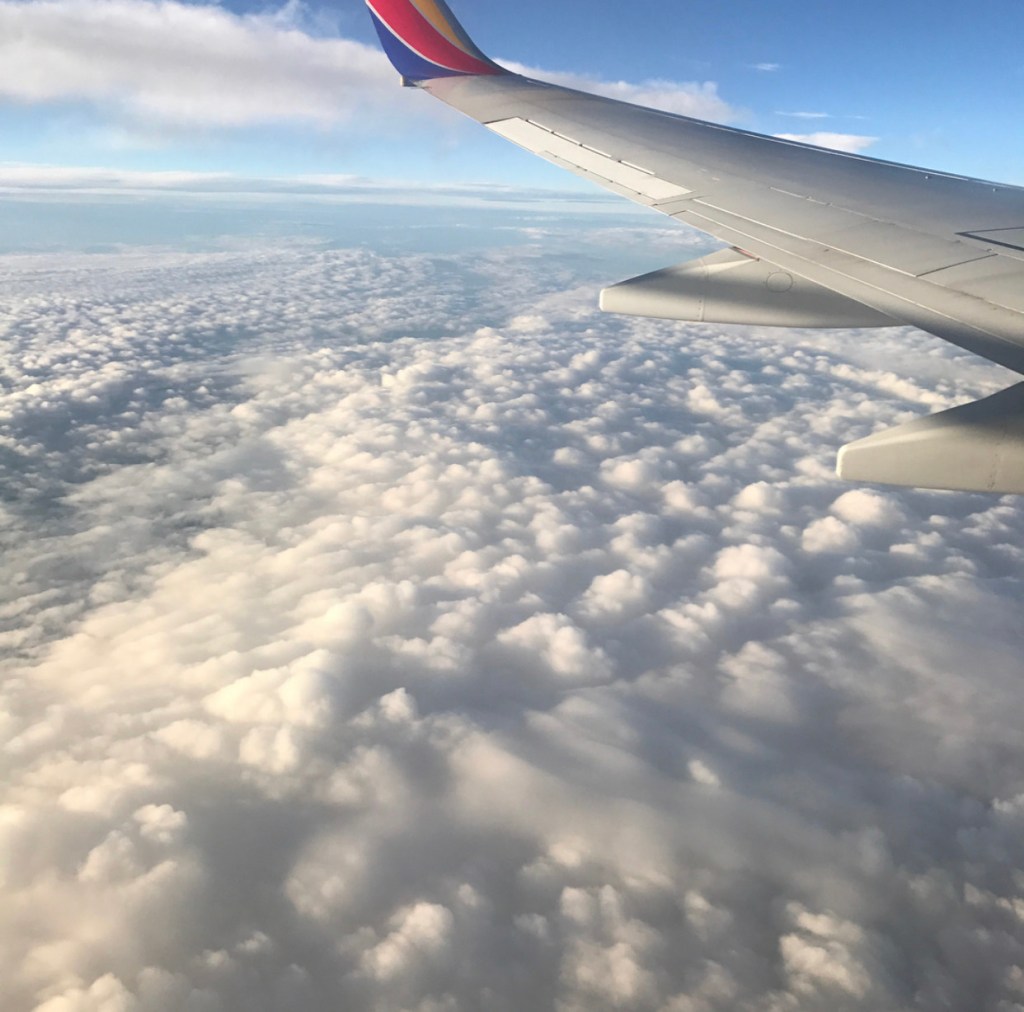
The Parks are privileged enough to be able to soar high above the impoverished portion of society we get glimpses of throughout the movie similarly to a plane, flying high above the clouds, a massive gap between them and the poor.
I felt this picture I took three years ago represented the Park family as they are at the top of the society we see, far enough from the ground that they cannot even see who lies there nor the struggles they face.
Another highly symbolic portion is the philosopher’s stone that Min gives to Ki-woo and his family as a gift. It is meant to bring good luck to the family, and at first, it seems to do exactly that. However, as the movie moves on, we see the stone float in the flooded half basement home of the Kims. To me, this seemed like a slap to the face for the Kims. It was as if the universe was saying, “here is the luck you asked for. See what it got you? Nothing.” They’re still in the same living situation and still experience the same hardships they did before they got the chance to infiltrate the Park family. As it floats up to the surface of the water, the viewer can get the impression that the stone, along with the hope the family gained from their new jobs, was empty or hollow; that it would not be lasting. However, the next day, we see the stone used against Ki-woo as Geun-se (the housekeeper’s husband) attacks him and then proceeds to stab and kill Ki-Jung (Ki-woo’s sister). The irony of the philosopher’s stone is impactful in Parasite as it represents the desire to hold onto hope among the impoverished portion of society, depicting the lengths they would go to in order to stay alive and achieve a better life.
However, the most important question we are all left with by the end of the movie is who is the parasite. Well, if you were to ask me, the Parasite is actually the Park family. In multiple scenes, we can see both impoverished families taking resources from the Park family (whether money such as from a paycheck, food for the housekeeper’s husband, or the alcohol and small things the families may have taken advantage of while at the house). However, it is very obvious that these families do not take more than they need. At the end of the day, the Park family is not hurt by the things the families are taking. On the other hand, the impoverished families are negatively impacted by the needs and requests from the Park family. When the KIm family loses their home due to a flood, they are called early the next morning and expected to drop everything and attend a birthday party. The Park family benefits from the relationship with the Kim family and for the Kim family, they are ultimately adversely impacted. However, this is all up to debate and meant to be interpreted and analyzed on your own, bringing your own perspective.
Film is all about interpretation. It’s objective for the most part and personally, I think that is what makes it so fun. So again, I urge any aspiring filmmakers to look at film from an objective standpoint, taking the words of others with a grain of salt.
That’s all I have to offer today, but leave a comment with your answer to the question of who the parasite is and subscribe to my blog to be updated on when I post. (Speaking of, I apologize for the delay of this post. As we all know, life happens, but I can promise I’ll have another post within the week and at least on post next week.)
Until then, you can find me looking through the viewfinder, searching for something, perhaps a philosopher’s stone. 🙂
Although this is not technically a full film, I chose to review this short film by Peter McKinnon because I feel he excels as a storyteller and I’d like to analyze and explain some of the techniques and decisions he makes throughout his short film type videos.
https://www.youtube.com/watch?v=wpD36KRtCM0 If you have not yet seen this video, here is a link to it. It’s a quick 5 minute watch and I highly recommend you watch it before reading.
In this video, Peter McKinnon and his crew creates a stunning video to go along with the track his friend, Henrik Olsson, created. The camera work itself is amazing, utilizing drones, hand held gimbals, and cameras set up on tripods to get the best angles and shots he can get.
However, it is not just the camera work that sets this video apart.
There are many pieces that go into creating a visually appealing video, and McKinnon seems to work these all to his advantage with expertise. In multiple shots, the viewer can see that the movement goes in a specific direction: left to right, right to left, moving upwards, downwards, etc. In order to create a flow that is easily understandable, McKinnon pieces shots together that move in similar directions. If he has one shot where Olsson is walking to the left, he’ll follow it with a shot with a similar movement track.
This is a well known technique with filmmakers to ensure that the flow of the video is aligned and that it is easily digestible for viewers. It may be a bit disorienting to have shots that move in opposite directions linked together. It gives the eye a path to follow and ultimately creates a focal point, much like focal points in art where different elements lead the eyes to the main point, telling a story along the way.
Paired with this motion based technique is the ever important aspect of sound design. This short film focuses heavily on the sounds involved, as the story follows Olssen as he uses the sounds around him to produce a track. Specifically, the video is well paced by the beat. Although the clip may not change on every beat, the viewer can expect a clip change when there is a noticeable beat in the music.
McKinnon also uses this technique in regards to the build up of the music. As Olssen says that the area is anything but silent, McKinnon incorporates more and more sounds from their surroundings such as a waves rolling, cigarette burning, a fishing rod reel turning, and a fish flopping. These sounds are paired to their respective clips and as the beat fastens, so does the speed of each clip. It noticeably increases in pace until it reaches the climax and once again reaches silence.
After the silence, Olssen begins his introduction paired with a different sound. The downbeats are noticeable in this track, yet the clips don’t change on those beats. Instead, it changes shots on the upbeats. This subtle change in pace marks a shift between the beginning of the video to now, where Olssen is beginning to tell his story.
As he is telling his story, we are allowed to see a bit into his process, hazy and slightly disorienting, until it all stops. The music, movement, and color comes to a halt and we are met with a still, breathtaking shot of the mountains. This break from the original narrative gives the viewer a chance to understand Olssen’s reasoning behind using the sounds of nature for his track.
A really intriguing tool that McKinnon tells often to immerse viewers is finding the perfect audio clips for the dialogue. As Olssen speaks on snow crunching beneath his feet, ice cracking, and the wind against his jacket, we hear each of those distinct sounds. This pairing of the audio to the visual makes for an overall more immersive video that draws viewers in even more, maintaining their interest.
Olssen’s dialogue is the main pacemaker for the video, as he directs the flow of it all. He speaks about how his music makes listeners feel something, similarly to how the video allows viewers to feel the surroundings as well. The buzzing of the airplane resonates within viewers ears and they can imagine what that would feel like. The whooshing of the waves as they flow allows readers to feel that soft, cold wave.
At this point in the video, where the plane is taking off from the water, the music is peaceful but slowly building up. At the same time, the overall color of the video shifts from a blue, colder tone, to a softer, yellow one. This shift is gradual but as the rays from the sun begin to warm up the picture, viewers can anticipate something energetic and exciting to come. As the sun begins to set, we are reminded of the process we were allowed to see in which Olssen creates his music. A small building, immersed in a green haze, surrounded by darkness and mirroring the Aurora Borealis that dances in the background.
The music picks up as the shots become quicker. It is as if the music has compelled the camera and the scenery (the northern lights to be exact) to dance along with it. Then slowly, it fades out to a series of beautiful shots and then a fade to black and the credits roll.
I love this piece simply because of the sound design. Most who appreciate film understand that sound design is one of the most important parts of creating an intriguing piece. It is similar to how sense of smell impacts our sense of taste. If the sound design is bad, it will just distract the viewer, or it will cause disinterest and they will not watch it.
Ultimately, sound design is a major part of the process, and aspiring filmmakers must learn how to incorporate it in unique, and audibly pleasing ways.
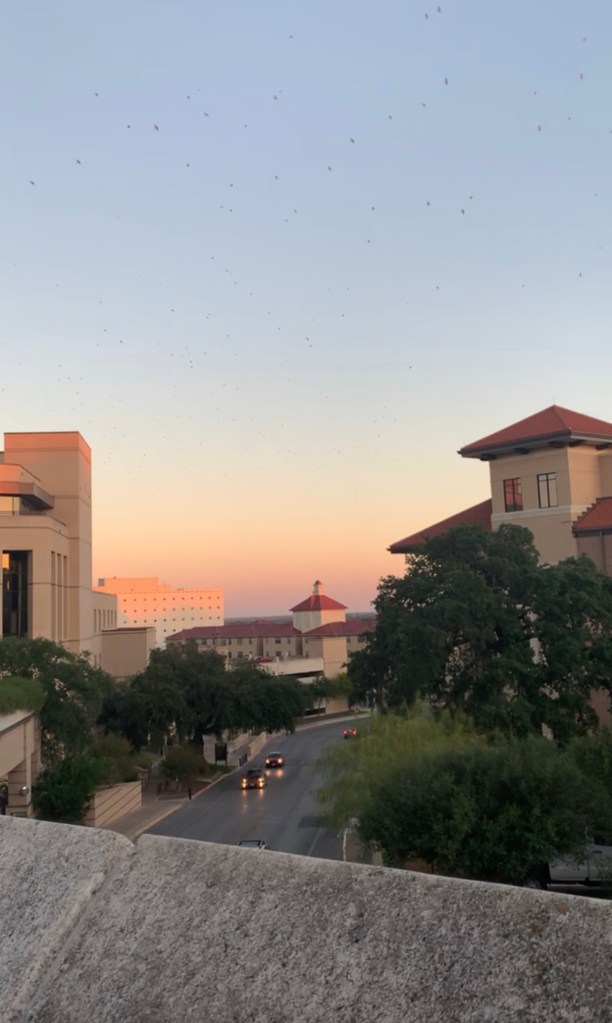
Take for example, this picture:
A screenshot from a video I took at Sewell.
Can you imagine the sound of the river, of the cars passing by, of the people chatting on the grass and basking in the sun? These are the types of sounds a filmmaker must take into account in regards to sound.
It may be weird at first to try blending these sounds with the music or other audio being placed over the clips, but the best advice I can give is to trust the process, practice makes perfect and it’ll all come together in the end.
Subscribe to my blog to get updated on my next post, where I’ll be reviewing Oscar Nominated Parasite (broken up into two posts).
Until then, you can find me peering through the viewfinder.
First, I must say that there will be spoilers for the movie in this post, so if you have not had the chance to watch Us yet, I highly recommend doing so as I truly enjoyed this film and recommend everyone watch it if given the chance and I will be diving into the most frequently used technique and discussing the difficulty of such a skill as well as the impact it has on the film overall.
Second, I would like to provide warnings for anyone who has not yet seen the film or even the trailer. Us is a horror movie and as such, the trailer (embedded below) contains violence and gore along with a few slight jump scares. Please use discretion in viewing it if any of these themes are triggering.
Here is a link to the trailer for Us, as I will be mentioning some scenes played in it.
Us follows Adelaide Wilson and her family as they take a family trip to relax. Throughout the beginning of the movie, we see depictions of Adelaide’s childhood in 1986 in which she experienced a traumatic experience that continues to haunt her in which she met her doppelgänger and was met with violence. Adelaide is apprehensive about the trip because they are headed to Santa Cruz, the same place she met her doppelgänger. During the first night of their stay, the Wilson family experiences a power outage in the home they’re staying at, and find a family standing at the end of the driveway. They soon come to learn this family is not their doppelgängers, but instead, them. Red, Adelaide’s doppelgänger, explains that they are called the ‘tethered’ and that the tethered share a soul with their human counterparts, and they must break that tie to live freely, as they have been tortured all their lives. Red is the only tethered who can speak; all of the others communicate in a series of grunts and guttural noises. After Red details why they are there, the fight of the Wilson family against each of their tethered counterparts begins.
The movie continues from this point, following each member of the family as they are separated and must fight their tethered individually, and as they find one another again. Ultimately, they learn that they are not the only ones with tethereds, everyone in America has a tethered counterpart, as the tethered were created through a government attempt at cloning. During a fight, Red takes the youngest of the Wilsons, Jason, and runs off with him. While Gabe, the father, and Zora, the daughter of the Wilsons, stay put and tend to their injuries, Adelaide runs straight to the fun house she entered so many years ago when she first met Red. She seems to know exactly where to go and the fun house leads to a massive, underground tunnel system. There she finds Red and fights her to the death. It is then that we, the audience, see the full flashback from 1986 and learn that it was then that Red abducted Adelaide and handcuffed her to a bed in the tunnel system that the tethered lived in. Red took Adelaide’s place so now, the real Adelaide had been killed. The only character to know about this is Jason, when at the end of the film, he looks at Adelaide while she is driving as though he no longer trusts her. With that, the film ends.
There is so much that I could choose to cover. From how “Red” became the ringleader of the tethered due to the fact that she could speak, to how “Adelaide” was weary to return to Santa Cruz because she knew her counterpart was still trapped there; however, I will solely focus on how Director Jordan Peele and the entire crew for the film created scenes in which both the tethered and their counterparts interacted. Afterall, an actor can only be in one place, at one time.
The common technique for acheiving this effect was to use a split screen technique in which an actor would be placed on the left side of the screen for one character, and the right for another, and the shots would be pasted together in post production. However, this technique does not allow for an actor to interact with themselves, and seeing how Adelaide and the Wilsons would have to fight their doppelgängers, this technique would not work. Instead, the crew opted to piece together aspects of multiple shots to create the finished product. This technique, I might add, is very exhaustive as it is not as easy as taking one picture and laying it on top of another, as there is movement in film. The production team took extensive notes on camera placement, angles, lighting, etc. in order to effectively shoot each scene twice in order to clip it all together. (Credit to Movies Insider for interview with Grady Cofer, visual effects supervisor, on how the team pieced it all together in this video: https://www.youtube.com/watch?v=J5tU39LcLBg.)
The most important pieces were the use of body doubles, head and face swaps, choreography, and the re-shooting of each scene with actors playing both their role of the Wilson family, and as their tethered counterparts. Utilizing all of these pieces, the editing team was able to create an interactive, believable world in which audiences could delve into the plot of the film and immerse themselves in the interactions between humans and the tethered.
The most captivating moment of the film is the ending fight scene between Adelaide and Red. For this scene to work, extensive choreography was needed in order for the crew to unanimously have an understanding of what shots were needed, where head and face replacements would be necessary, and which shots Lupita Nyong’o (actress that plays Adelaide Wilson and Red) would have to take twice in order to create the realistic fight scene that would leave audience members at the edge of their seats.
Ultimately, I believe this cinematic technique paid off well for Peele and the crew that created this film as I was truly immersed in the plot for this movie. I honestly didn’t want the story to end but I left the theater with so many questions that led to hours of internet deep diving about the Easter eggs and symbolism throughout the entirety of the film. This movie captured my attention at the start and never let go, and if it weren’t for the careful consideration of the crew, I may not have been as invested in the plot, but focused instead on how choppy or odd the scenes would have looked without direct interaction between characters.
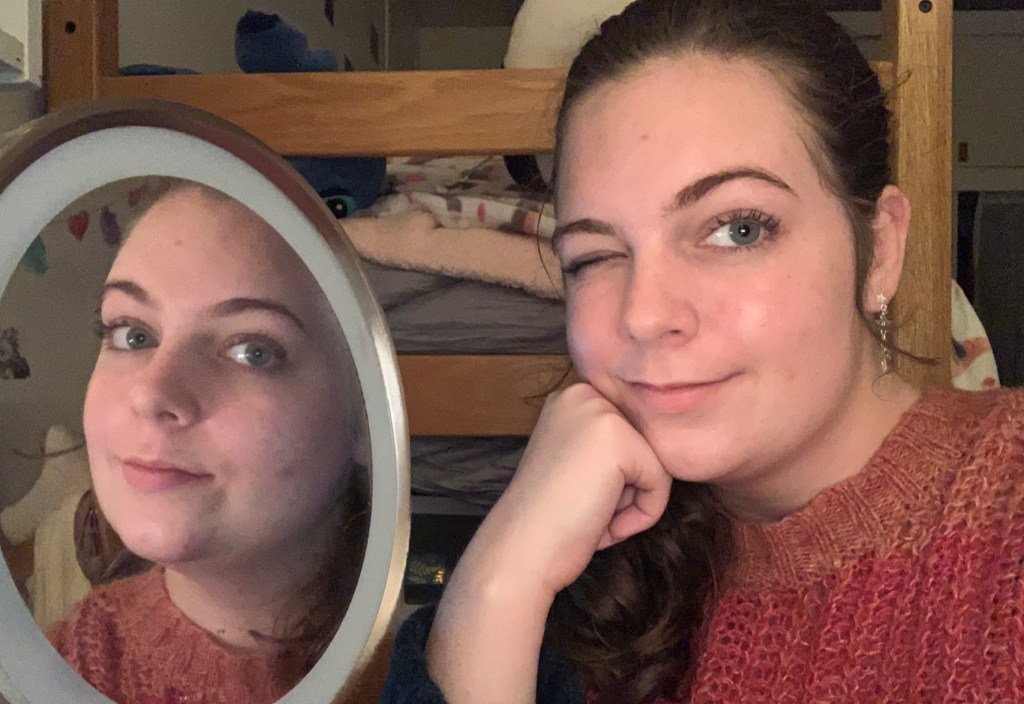
These techniques are exhaustive and take hours to perfect. While doing research for this piece, I decided to try and manipluate my reflection in a photo and that alone, one still image, took me thirty minutes to edit. (Although it would’ve been easier with a program such a Photoshop, I am a broke college student who definitely does not have funds for that.) I cannot imagine how long it must have taken to finalize these shots, but I believe it was more than worth it.
I may be biased as Jordan Peele is a large source of inspiration for me, but I loved this film and I would highly recommend that anyone who has watched it once should watch it again, this time looking for foreshadowing and Easter eggs riddled throughout.
For now, I leave you with this; the product of my thirty minutes of hard work across three different photo editing apps.
I’m not kidding this took me so long. Please appreciate it.
Subscribe to my blog to see when I update next time with a review of Deliver a Feeling by Peter McKinnon and like this post if you enjoyed it/if you enjoyed the movie!
Until next time, you can find me peering through the viewfinder.
I grew up, like most, with a childhood filled with movies, tv shows, etc. By the time I was 5, I was obsessed with Lilo and Stitch and I could – and would – tell everyone how much I loved it. Disney was always a strong force in my life as I admired the stories their movies told as well as the characters that brought them to life.
Growing up with the presence of technology, I struggled through my middle school years and depended on Youtube to distract me from the world. It was during this time that I re-evaluated my career choice of veterinarian – which I had aimed to be for the first 12 years of my life. I didn’t know exactly what I wanted to do, but I knew it would have to be creative. I turned to film, realized the importance of a production team in the creation of a movie, and quickly set my sights on that path.
Through the years, I’ve remianed steadfast in following the path in front of me, learning as much as I can from the films that intrigue me. Now, I’d like to share what I’ve learned with all of you.
This blog will examine a new film, tv show, freelance short film, animation, etc. in every post, highlighting different animation, editing, and film techniques that creators use to set their works apart as well as to elicit emotions from their audience.
Stay tuned to see reviews of works such as:
Us – Jordan Peele
Isle of Dogs – Wes Anderson
Deliver a Feeling – Peter McKinnon
My Hero Academia – Kōhei Horikoshi
… and many more!!!
Each post will include at least one link to a video explaining techniques I’ll be reviewing and for the short films from Youtube, there will be a link to said short film at the beginning of each post so you can see it first, before tearing it apart for learning purposes.
For now, I’ll leave you with this short video that shows how important production teams are to the creation of a film.
Stay tuned for next week when I break down Us by Jordan Peele. Until then, you can find me peering through the viewfinder.








 Through the Viewfinder